Race Flags and Signals
Throughout a Formula 1 session, marshals and race control use colored flags, boards, and lights to warn drivers about danger, penalties, and race status so everyone can react safely.
Every driver must understand these flags from junior racing onward, because ignoring them can lead to penalties or unsafe situations for other drivers and track workers.
Modern F1 also backs up traditional fabric flags with digital flag panels, cockpit lights, and messages on driver dashboards, making the signals harder to miss at high speed.
Flag Meanings and Driver Actions
Each flag below shows its picture, meaning, and what drivers must do when they see it.
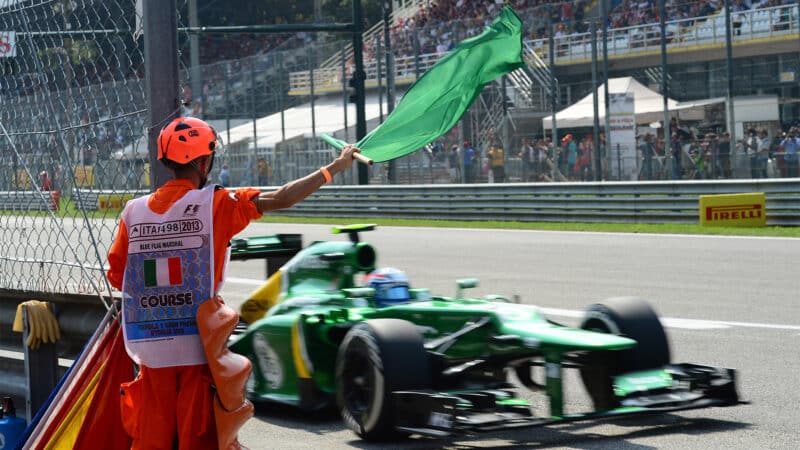
Green Flag
Meaning: Track clear; normal racing can continue after a caution zone or at the start of a session.
Driver must: Return to full speed and normal racing once past the green flag or panel.
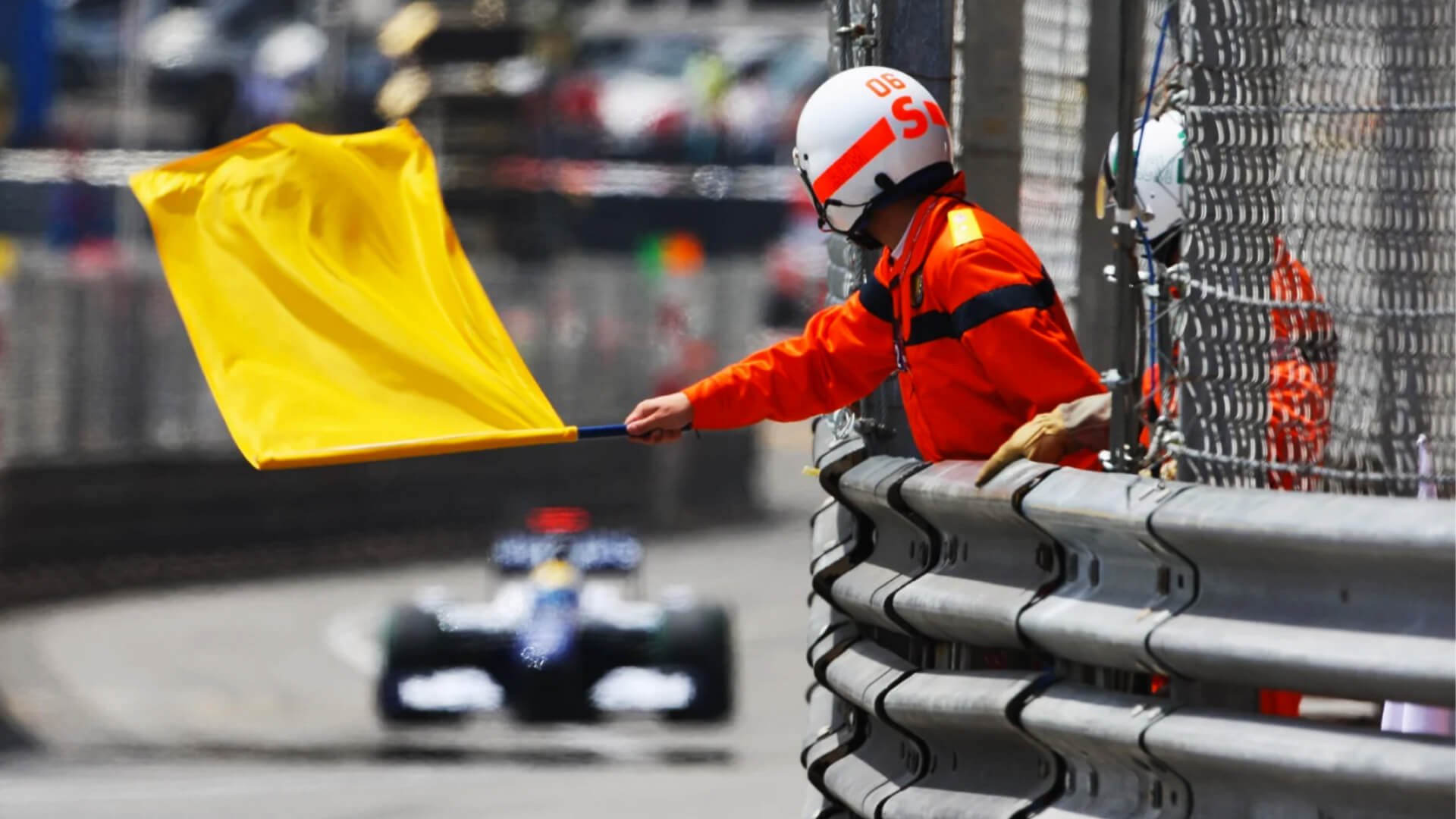
Yellow Flag (Single)
Meaning: Danger ahead, such as a car off track or debris in a sector.
Driver must: Slow down, be prepared to change line, and do not overtake until passing a green flag.

Double Yellow Flags
Meaning: Serious hazard; track may be partially blocked or marshals are on track.
Driver must: Significantly reduce speed, be ready to stop, no overtaking until danger zone ends.
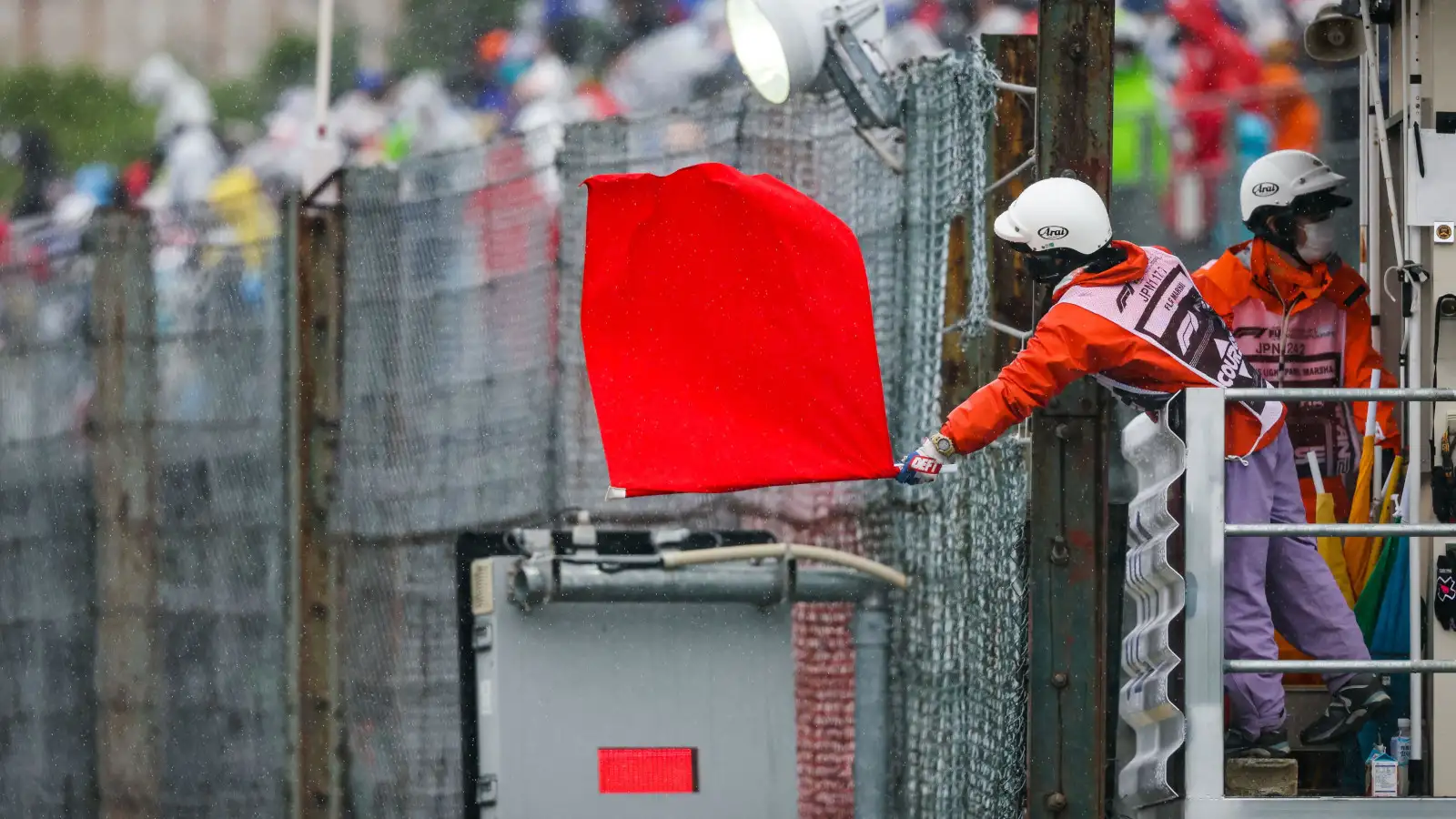
Red Flag
Meaning: Session stopped due to major accident, heavy debris, or unsafe weather.
Driver must: Immediately slow down and return to pits or stop where directed.
Blue Flag
Meaning: Faster car approaching to lap you (one or more laps behind).
Driver must: Allow faster car to pass safely within a few corners; do not block.
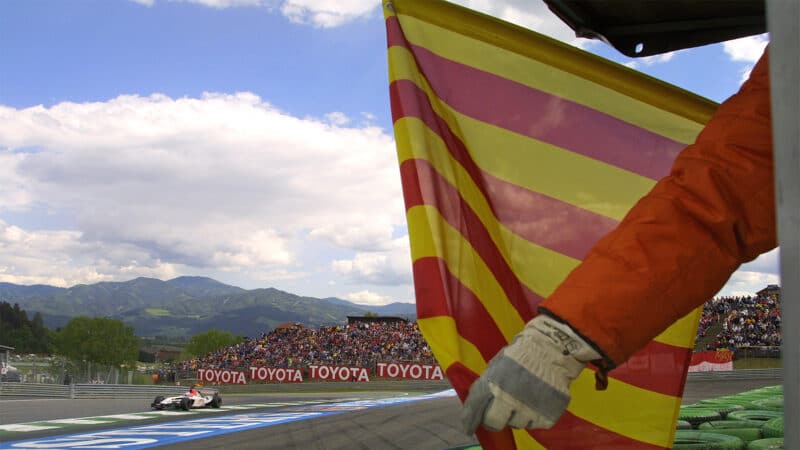
Yellow-Red Striped
Meaning: Slippery surface ahead (oil, gravel, rain on track).
Driver must: Use extra caution, adjust speed/line to avoid losing grip.
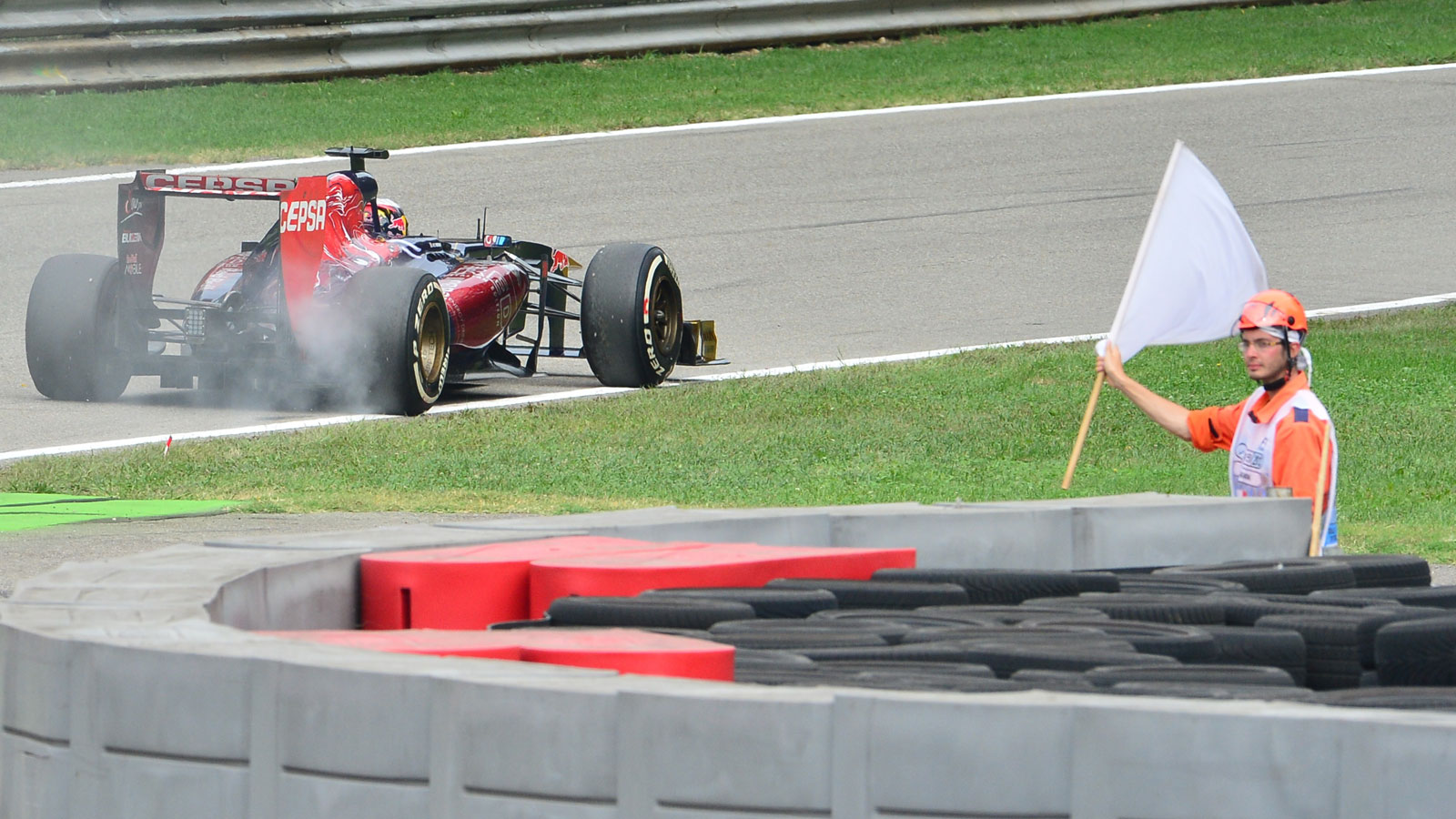
White Flag
Meaning: Slow vehicle ahead (recovery car or very slow race car).
Driver must: Be ready to safely overtake the slow vehicle when allowed.

Black Flag
Meaning: Driver disqualified for serious rule violation or unsafe behavior.
Driver must: Return to pits immediately; session over for that driver.

Black-Orange Circle
Meaning: Mechanical issue making car unsafe (loose parts, fluid leak).
Driver must: Pit immediately for repairs before rejoining.
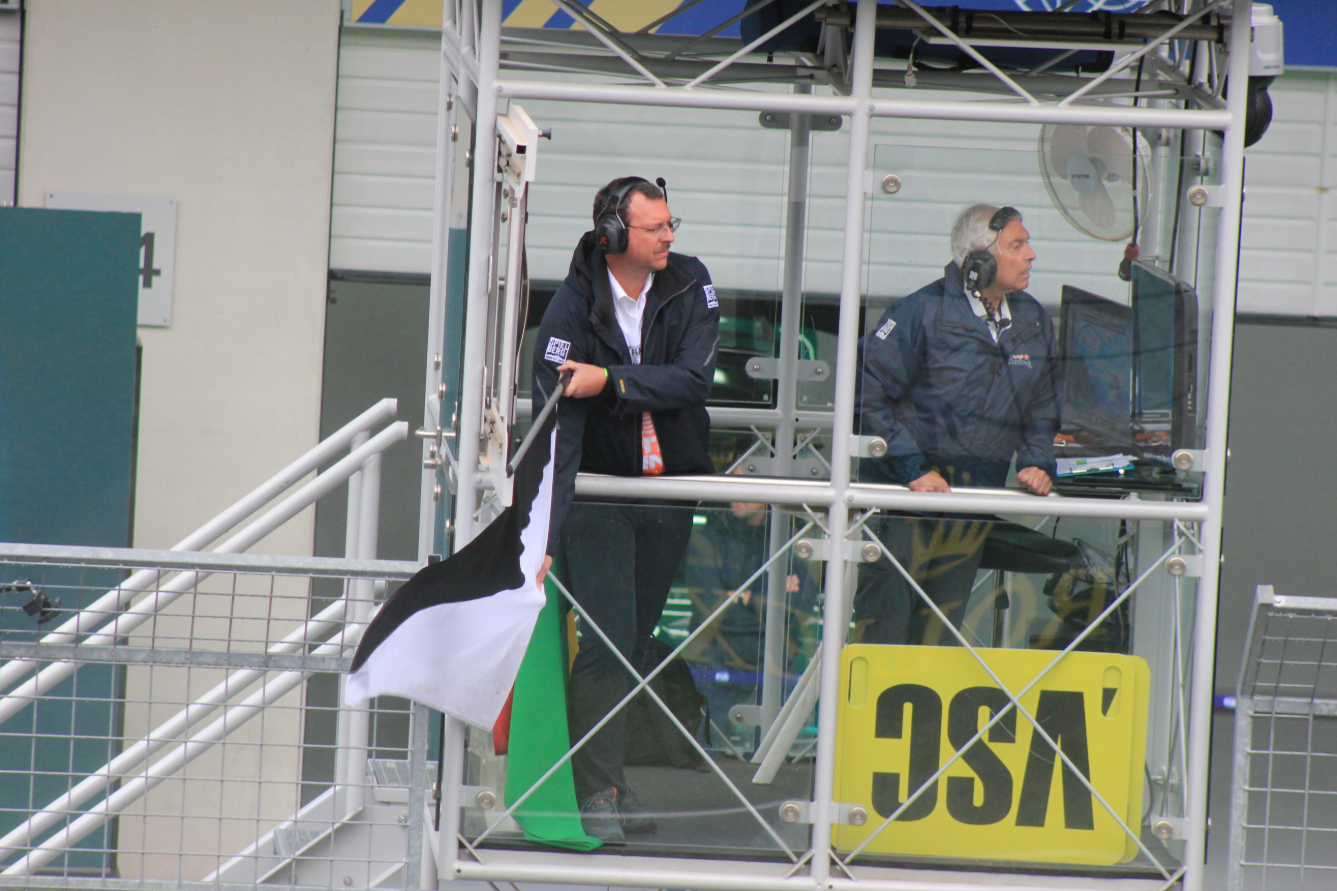
Black-White Diagonal
Meaning: Warning for unsportsmanlike driving (weaving, forcing car off track).
Driver must: Clean up driving or face further penalties.
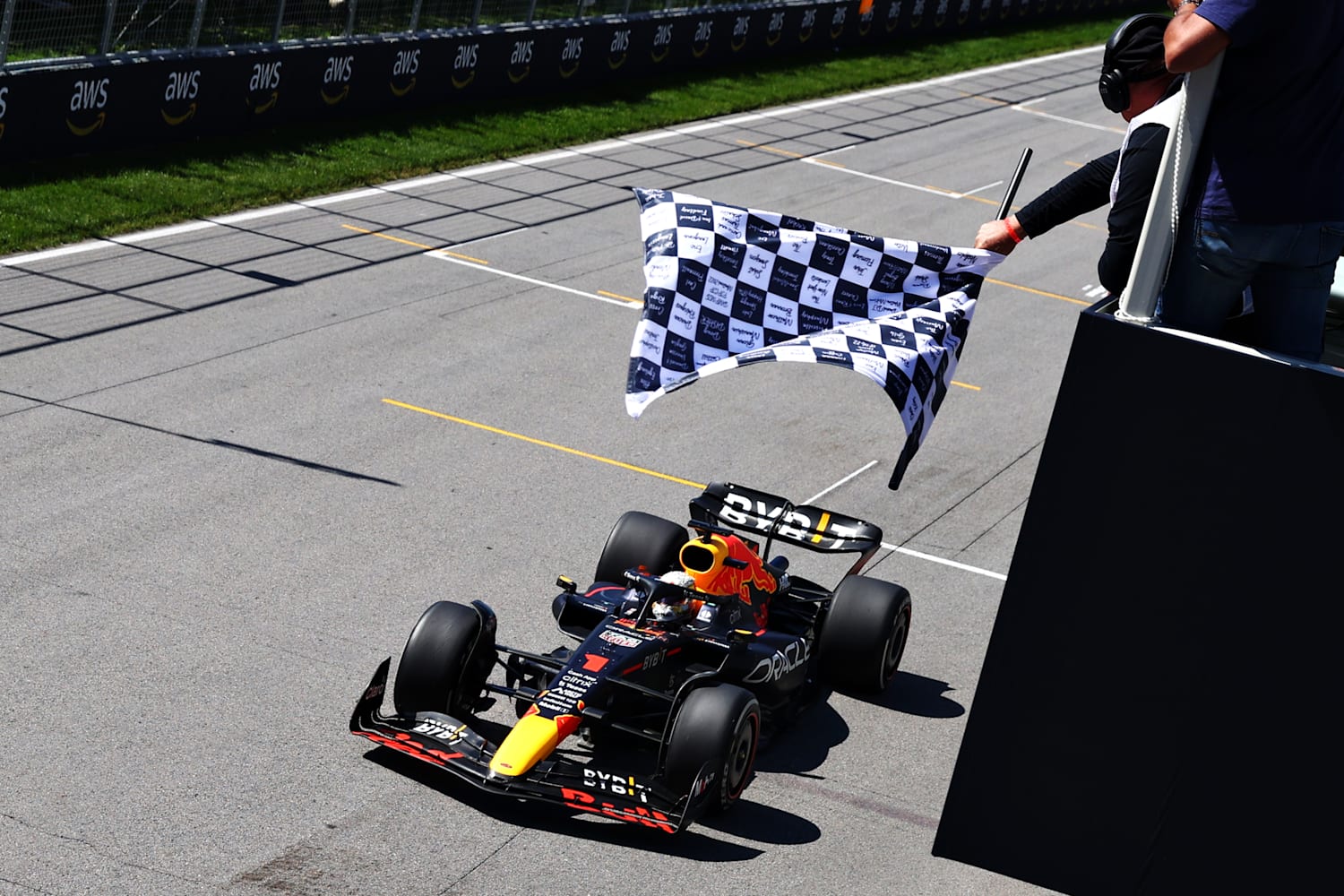
Chequered Flag
Meaning: End of session/race; final lap completed when crossing line.
Driver must: Slow down, cool-down lap, return to pits/parc fermé.

Safety Car (SC)
Meaning: Safety Car deployed after serious incident to control pace.
Driver must: Line up behind Safety Car, no overtaking except when allowed.
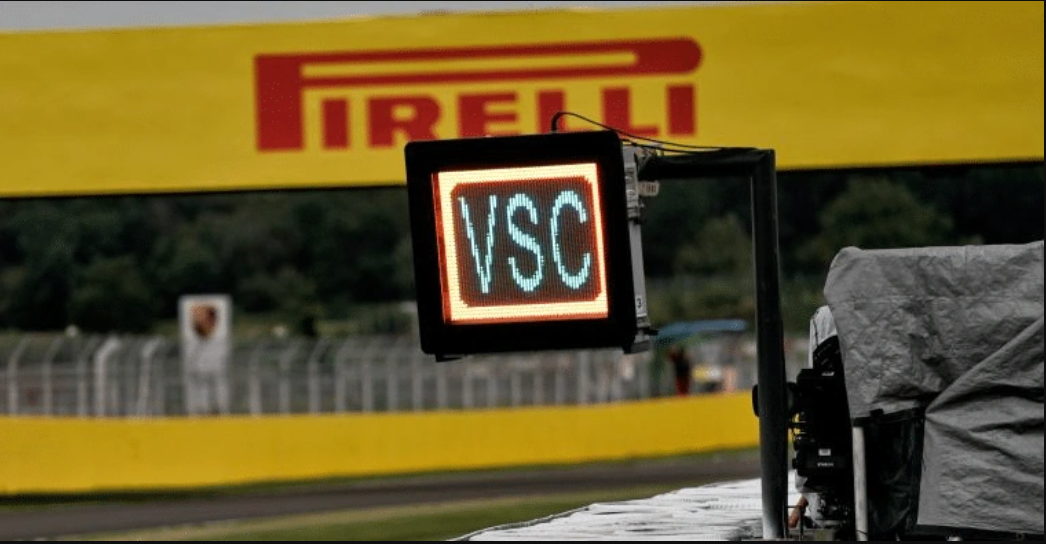
Virtual Safety Car (VSC)
Meaning: Reduced speeds without physical Safety Car on track.
Driver must: Follow strict delta time on dashboard, no overtaking.
How Flags Affect Race Conduct
Yellow and Red Flags
- Yellow flags: Drivers must slow down, be prepared to change line, and are not allowed to overtake until they see a green flag again, which confirms the end of the hazard zone.
- Red flags: When conditions become too dangerous, all drivers must slow down sharply and either return to the pit lane or stop safely, before the race is restarted or ended.
Blue and Black Flags
- Blue flags: A lapped car must let faster cars go by without defending, usually within a few corners, to avoid blocking the leaders.
- Black flag: Used only for very serious rule breaches or unsafe driving; a black flag means the driver's race is over and they must return to the pits.
Visual Guide and Modern Signals
Flags are still waved by human marshals, but high‑visibility LED panels and cockpit warning lights now mirror the same messages around the circuit.
This combination helps drivers see warnings even in rain, spray, darkness, or when another car is blocking their view of a marshal post.
Why Flags and Signals Matter
Flags and signals are the language of race control, telling drivers when to slow down, when to stop, and when they are breaking the rules, all while cars travel at over 300 km/h.
Learning these signals helps drivers protect themselves, their rivals, and track marshals, and it also helps fans understand why races slow down, stop, or hand out penalties.