GP Circuits

Learn how different Formula 1 circuits shape racing, strategy, and car design, from tight street tracks to fast flowing permanent venues.

What Are GP Circuits?

Each Formula 1 race takes place on a specific circuit or track, with its own length, number of laps, layout complexity, and mix of corners, straights, and elevation changes.

Understanding these details helps explain different car setups and race strategies, and why some teams perform better on fast power circuits while others excel on tight, technical tracks.

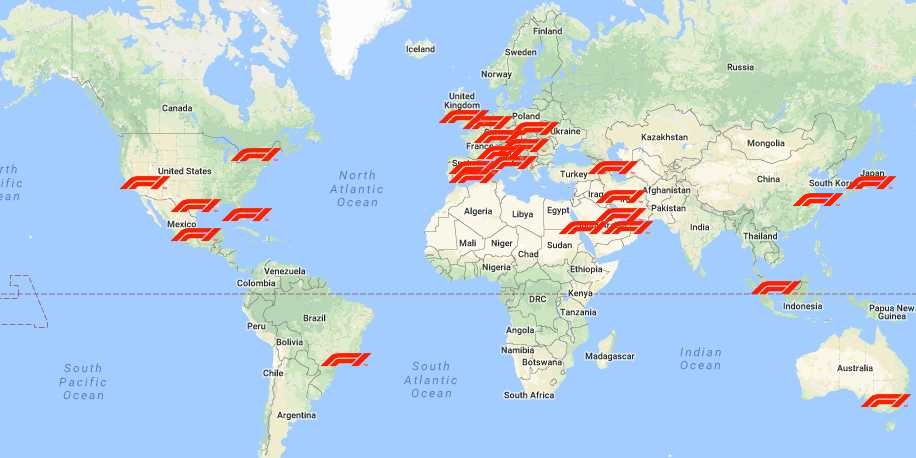
World map with selected F1 circuits highlighted
A world view of several modern Formula 1 Grand Prix circuits.
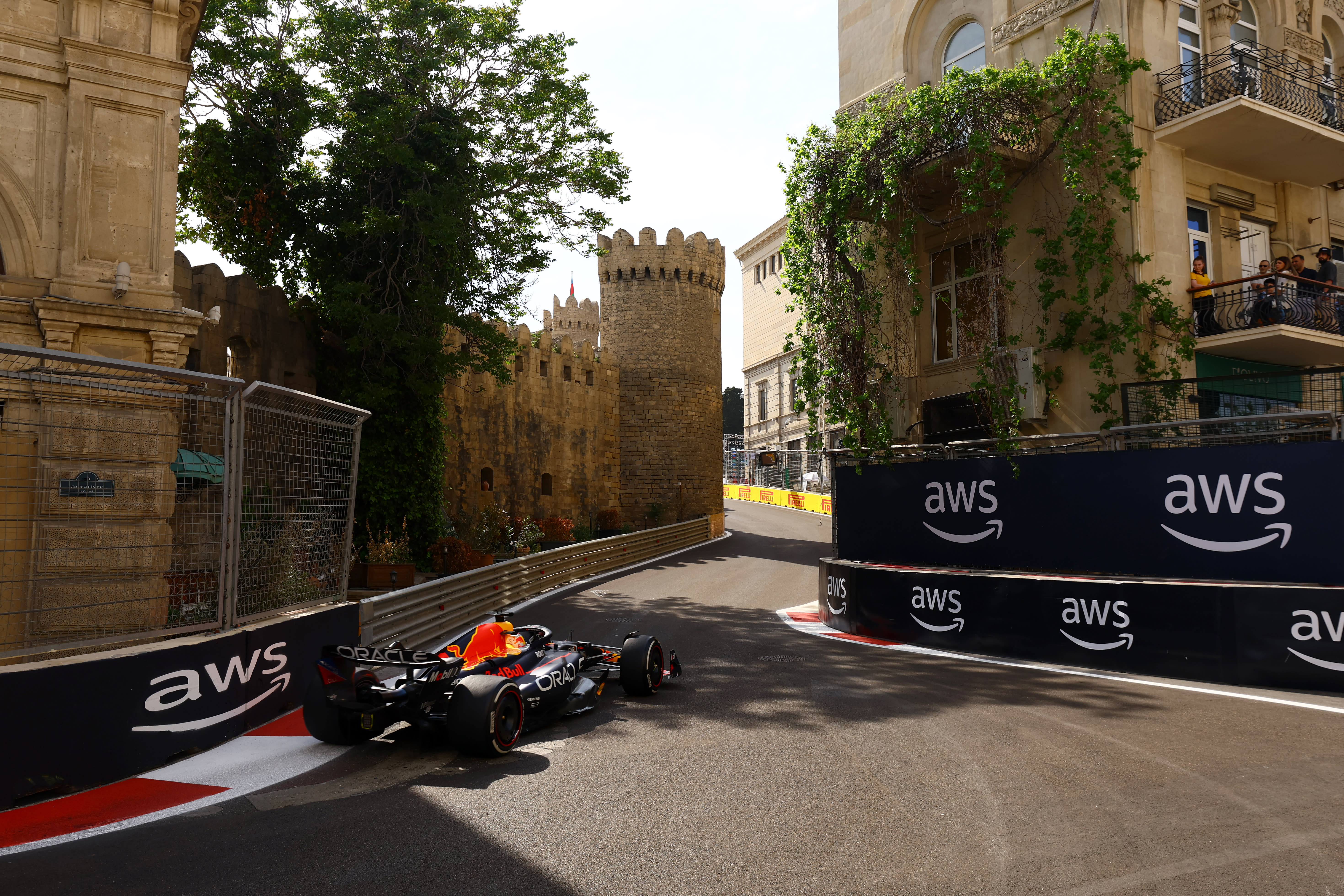
Comparison of street and permanent F1 circuit layouts
In the streets of Baku.

Track Map and Layout Details

Many circuits feature a mix of high‑speed straights and slow corners that demand aerodynamic balance, forcing teams to trade downforce for cornering grip against low drag for top speed.

Street circuits like Monaco and the new Madrid track tend to be slower and more technical, with tight corners and narrow barriers, while permanent tracks such as Silverstone or Yas Marina offer sweeping corners and longer straights for high‑speed racing.

Key aspects include DRS zones, the number and type of turns, and elevation changes, all of which affect overtaking chances and how aggressively drivers can attack each lap.

Featured GP Circuits

Below are examples of classic and modern tracks, showing how circuit length, lap count, and layout shape the style of racing you see on Sunday.

Albert Park Circuit map
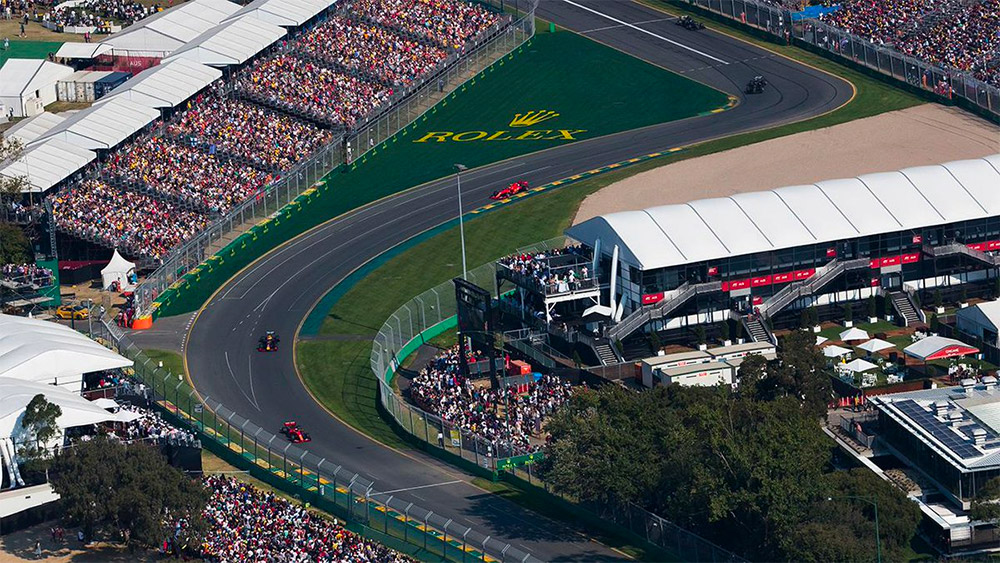
Albert Park Circuit – Melbourne, Australia

Albert Park Circuit (Australia)

First Grand Prix: 1996 · Laps: 58 · Length: 5.278 km · Race Distance: 306.124 km

Semi‑permanent parkland circuit with a mix of medium‑ and high‑speed corners, plus several heavy braking zones that invite overtakes.

The surface can be bumpy and low‑grip early in the weekend, making tire warm‑up and traction out of slower corners especially important.
Type: Semi‑street · Sector balance: Mixed · Overtaking: Medium
Circuit de Monaco map
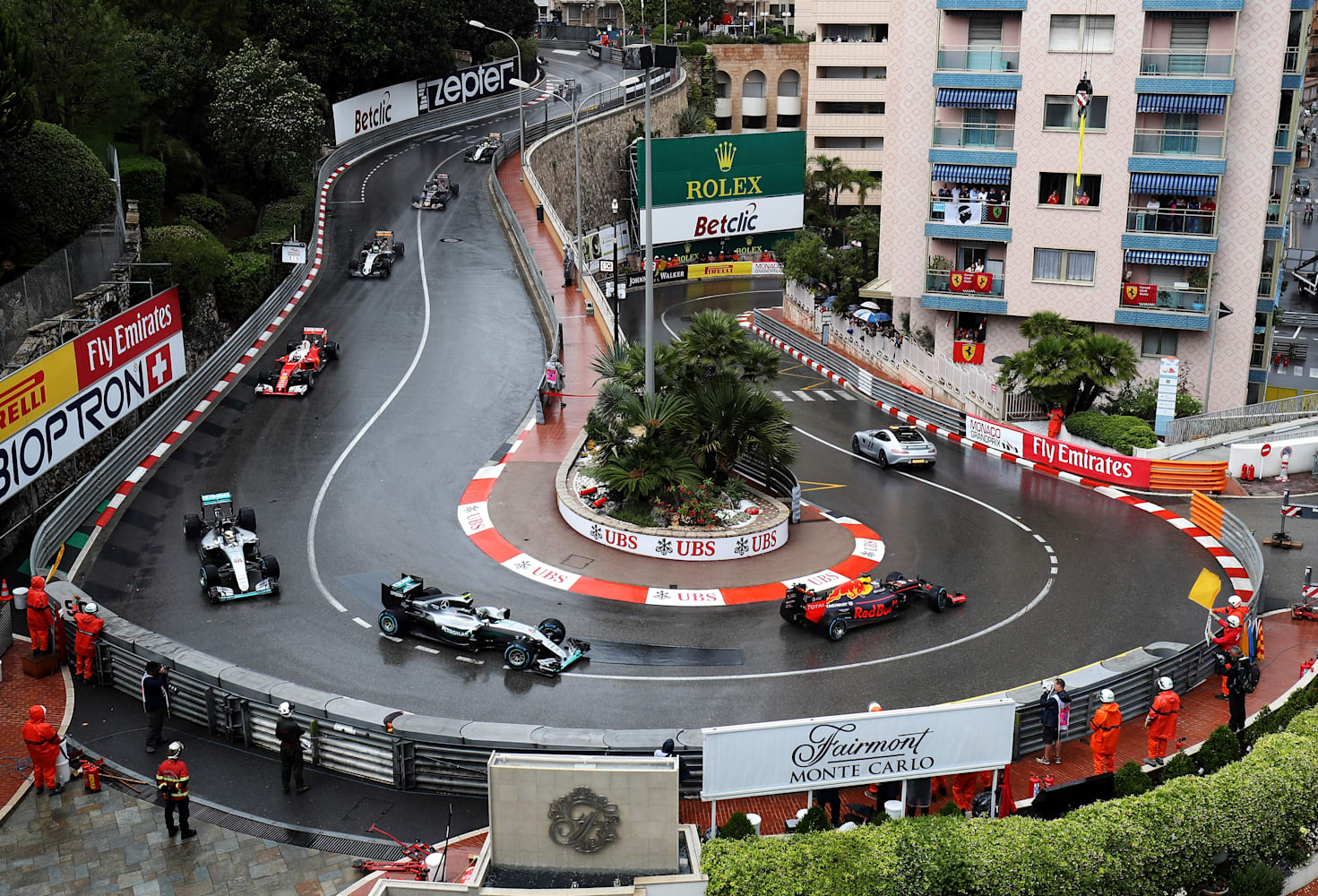
Circuit de Monaco – Monte Carlo, Monaco

Circuit de Monaco (Monaco)

First Grand Prix: 1950 · Laps: 78 · Length: 3.337 km · Race Distance: 260.286 km

Ultra‑tight street circuit with very low average speed and virtually no margin for error, emphasizing mechanical grip and driver precision over straight‑line performance.

Overtaking is extremely difficult, so qualifying and track position strategy are more decisive here than at almost any other venue.

Type: Street · Sector balance: Slow/technical · Overtaking: Very low
Circuit de Spa-Francorchamps map
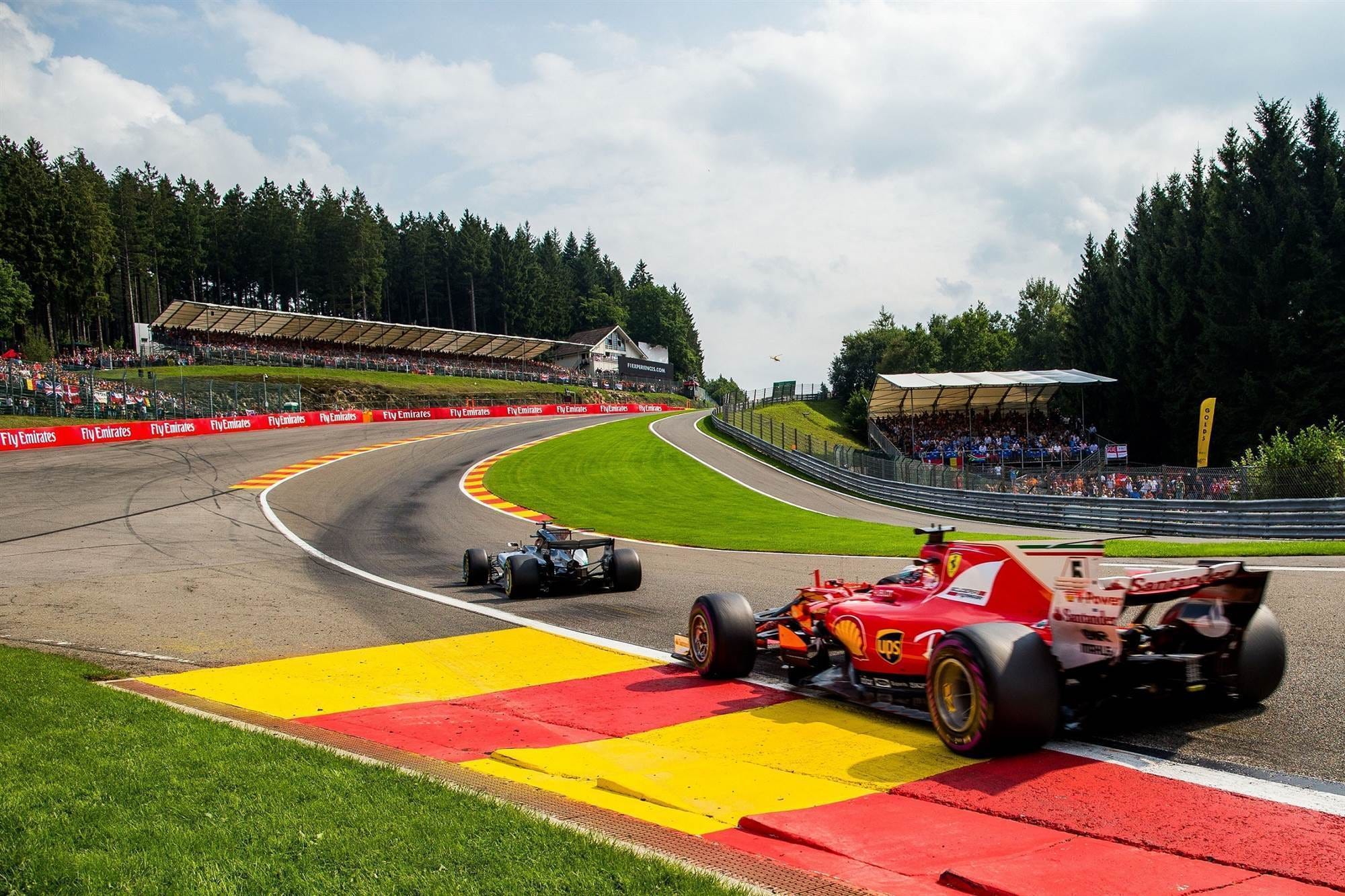
Spa‑Francorchamps – Stavelot, Belgium

Circuit de Spa‑Francorchamps (Belgium)

First Grand Prix: 1950 · Laps: 44 · Length: 7.004 km · Race Distance: 308.052 km

One of the longest circuits on the calendar, combining high‑speed corners like Eau Rouge/Raidillon with long flat‑out sections that reward engine power and aerodynamic efficiency.

Unpredictable weather and elevation changes often create mixed‑condition races, forcing teams to react quickly with tire and strategy calls.

Type: Permanent · Sector balance: High‑speed · Overtaking: High
Circuit of the Americas map
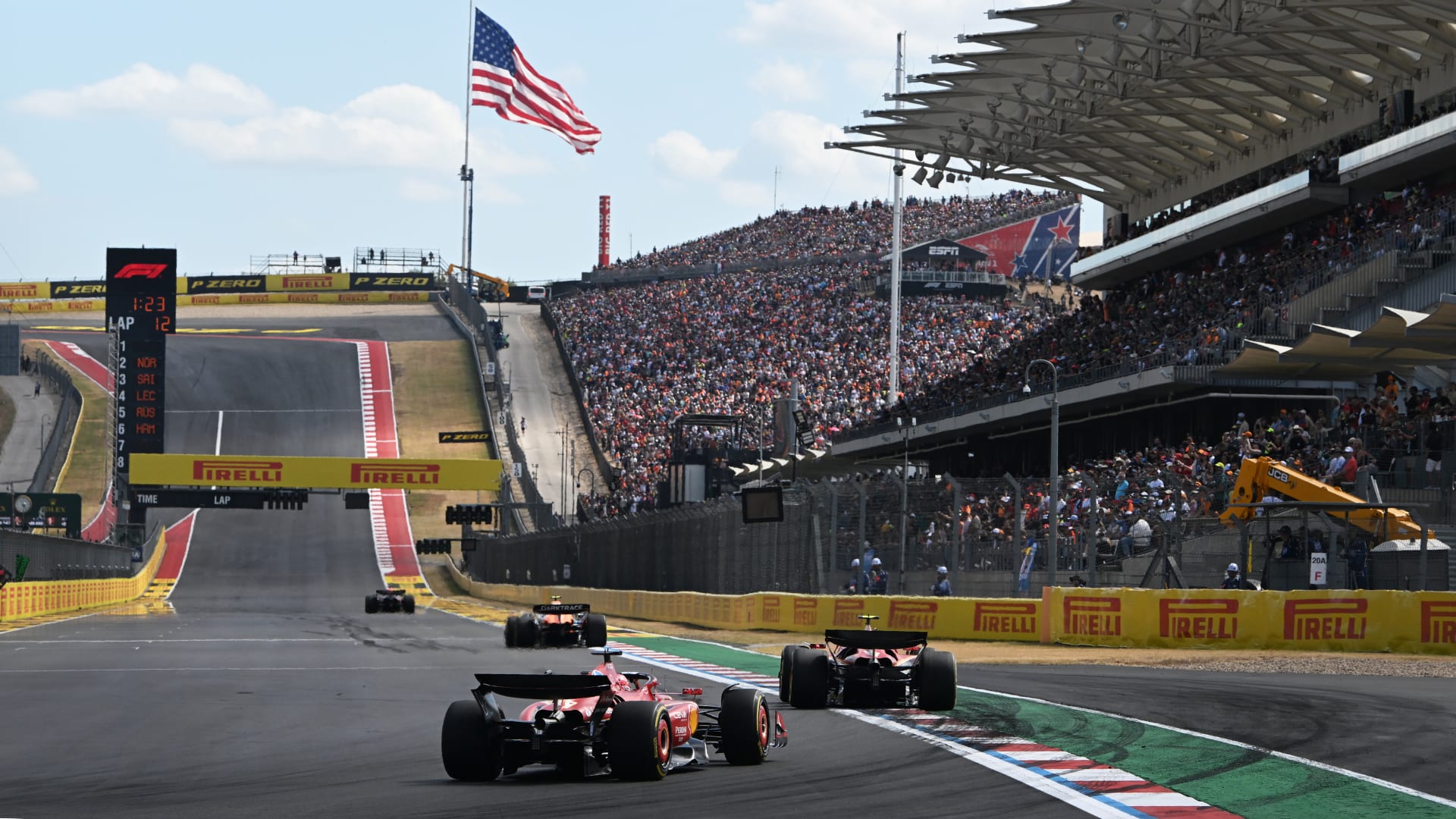
Circuit of the Americas – Austin, USA

Circuit of the Americas (United States)

First Grand Prix: 2012 · Laps: 56 · Length: 5.513 km · Race Distance: 308.405 km

Features a steep uphill run into Turn 1, a fast sequence inspired by Silverstone's Esses, and a long back straight feeding heavy‑braking overtaking zones.

The mix of slow hairpins and medium‑fast sweeps makes COTA a good all‑round test of car balance and tire management over a race distance.

Type: Permanent · Sector balance: Mixed · Overtaking: Good
Yas Marina Circuit map
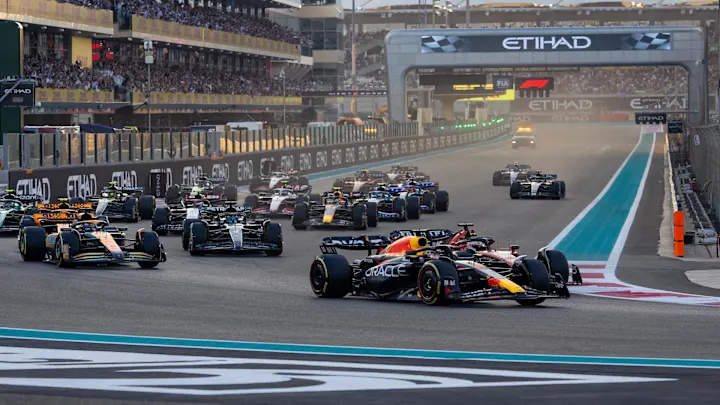
Yas Marina Circuit – Abu Dhabi, UAE

Yas Marina Circuit (Abu Dhabi)

Laps: 55 · Length: 5.554 km · Race Distance: 305.355 km · Direction: Anti‑clockwise

A modern facility with long DRS‑assisted straights followed by tight braking zones, plus a series of medium‑speed corners around the marina complex.

Recent layout tweaks removed slower chicanes to improve flow and overtaking, making late‑season races here more dynamic.

Type: Permanent · Sector balance: Long straights/medium corners · Overtaking: Medium