Tire Strategy
Why Tire Strategy Matters
In F1 racing, tire strategy is one of the most critical elements that determines success. Every decision — from compound choice to pit stop timing — can mean the difference between victory and defeat. The perfect tire call balances speed, durability, and timing in a constantly changing race environment.
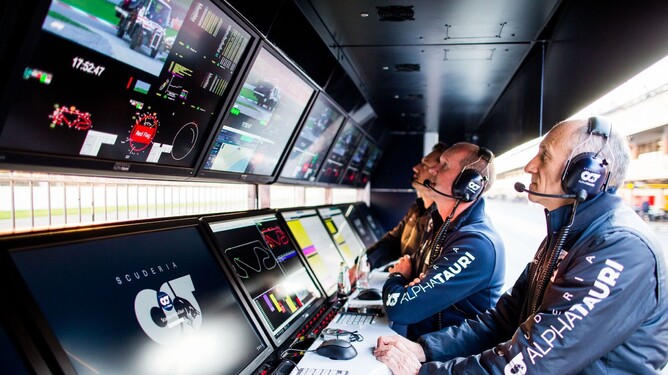
F1 team Alpha Tauri analysing race strategy.
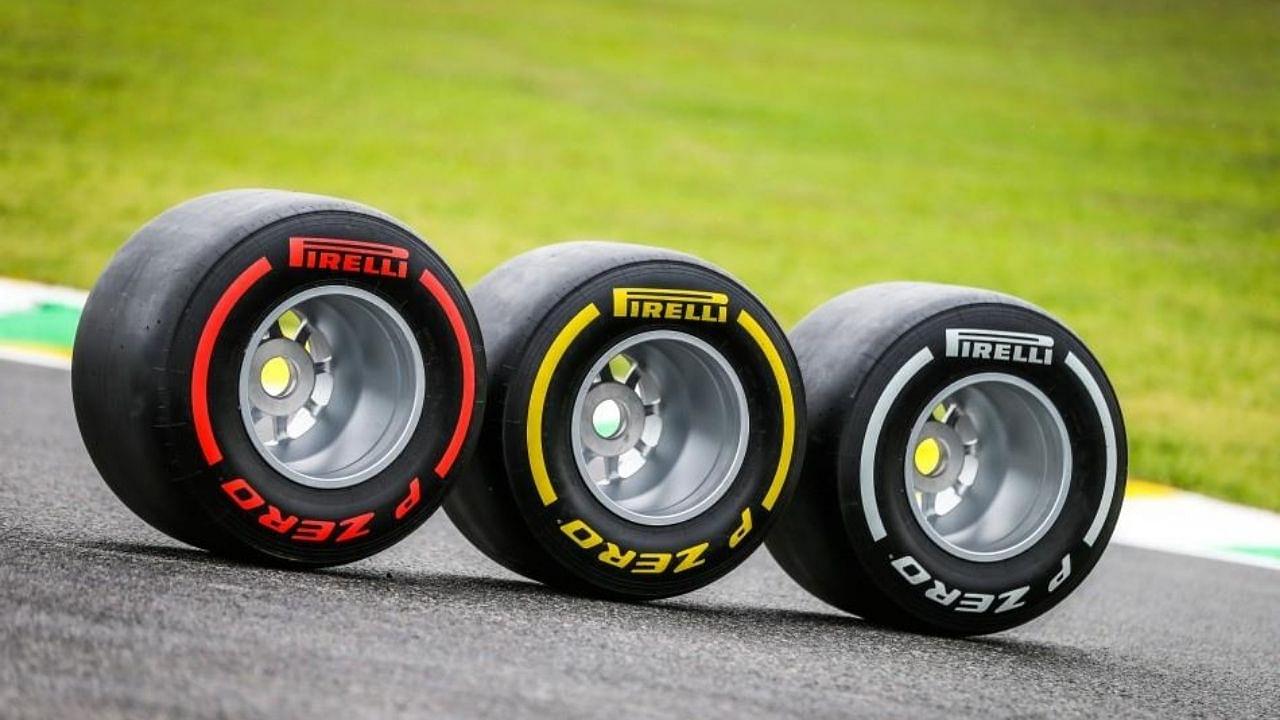
Different compound choices—soft, medium, hard—define each team's pit plan.
How Tire Choice Affects Pit Stops
Softer tires deliver faster lap times but wear out more quickly, forcing drivers to pit sooner. In contrast, harder tires last longer but offer less grip, meaning slower but steadier stints.
Teams must juggle grip versus longevity, making constant adjustments based on weather, track surface, and position on the grid.
Common Pit Stop Strategies
One-Stop Strategy
Drivers stop once — usually starting on soft compounds before switching to hards. Reduces time in pits but demands skillful tire management to stretch stints effectively.
Two-Stop Strategy
The most balanced approach. Quick early laps on softs, mid-race mediums, then finishing strong on hards or fresh softs. It sacrifices some time in the pit for sustained on-track performance.
Multi-Stop Strategy
Used when tire wear is extreme or track temps are unpredictable. Three or more stops maximize grip and pace — a high-risk, high-reward choice usually triggered by race chaos or weather shifts.
Impact on Race Outcomes
Fresh tires grant significantly more grip, allowing faster laps and opportunities to overtake. But with every pit stop costing around 20-25 seconds, timing is everything.
Staying out longer can save pit time, yet worn tires often mean slower laps and loss of position. Safety cars, temperature changes, and rain can all reshape tire strategy mid-race.
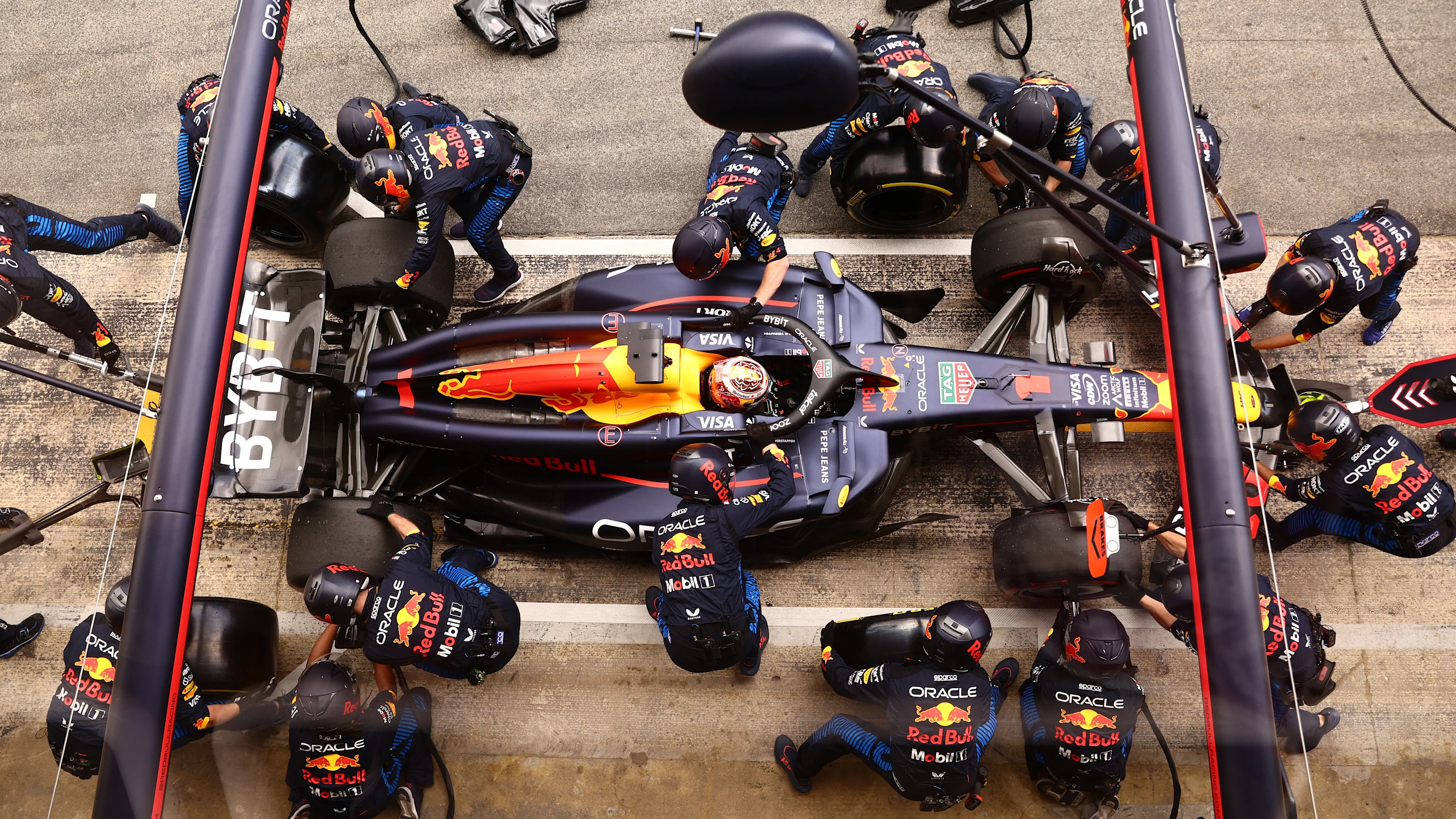
Pit crews execute tire strategy with precision measured in milliseconds.
"The right tire strategy can turn a mid-grid car into a podium finisher — and a single wrong call can ruin an entire race."