History of Formula 1

Early Racing and the Birth of Formula 1

Formula 1 has its roots in Grand Prix racing from the 1920s and 1930s in Europe, but racing was paused during World War II. After the war, the Fédération Internationale de l'Automobile (FIA) created the formula, a set of rules for car racing to make competition fair and safe. The first official Formula 1 World Championship race happened in 1950 at Silverstone, England, with Giuseppe Farina winning the first championship.
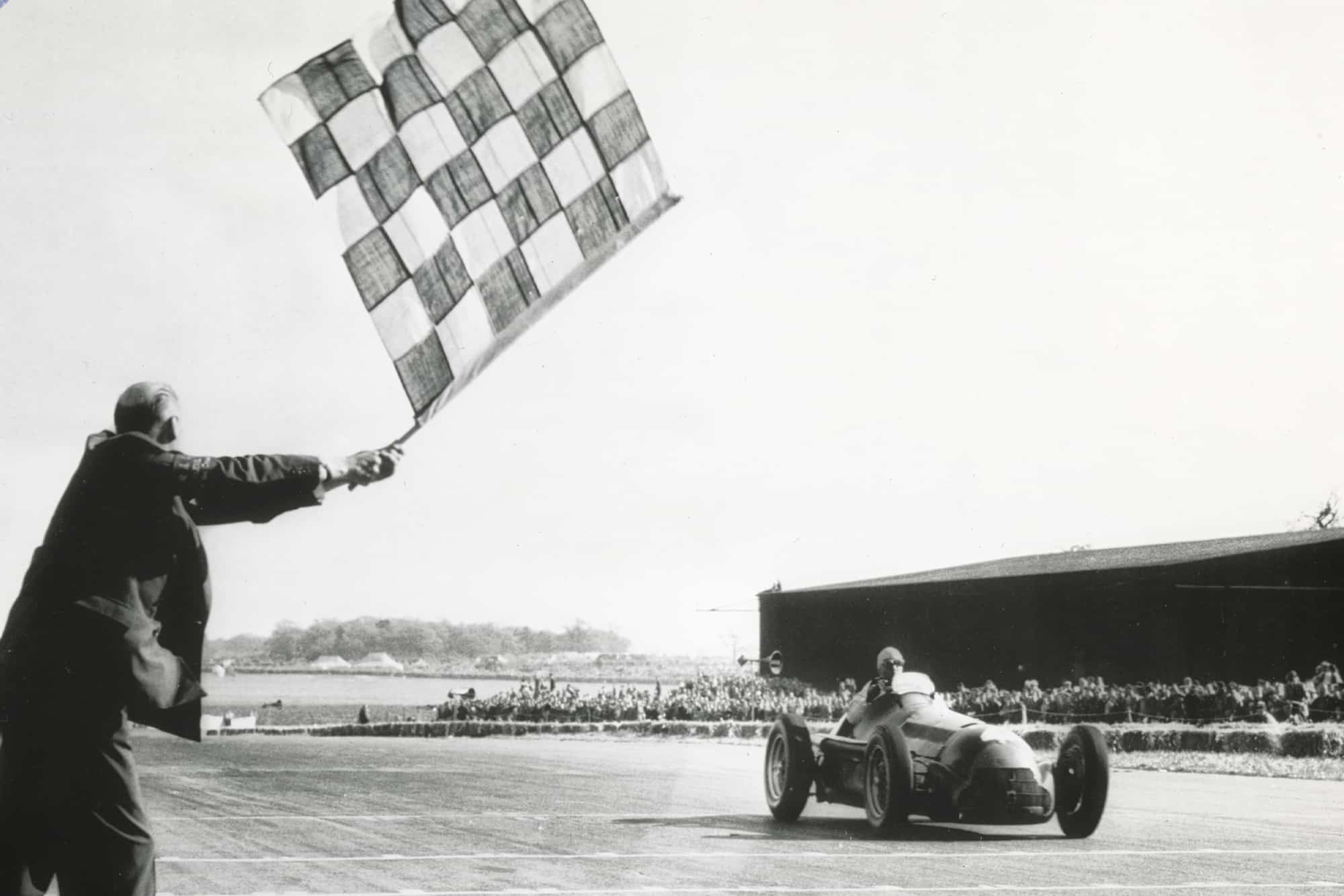
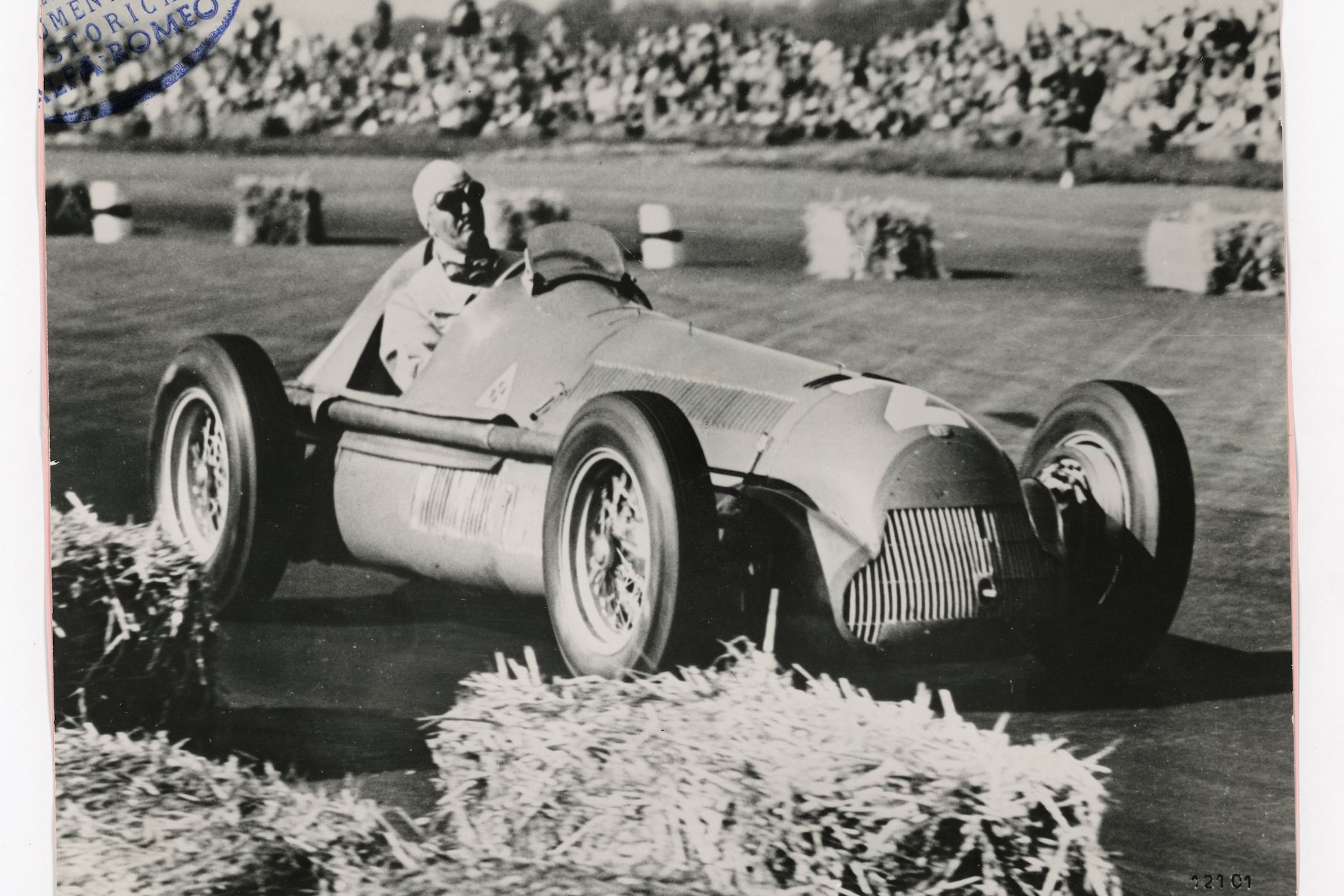
Giuseppe Farina 1950
Giuseppe Farina crossing the line at Silverstone in 1950.

Growth and Innovation (1950s–1980s)

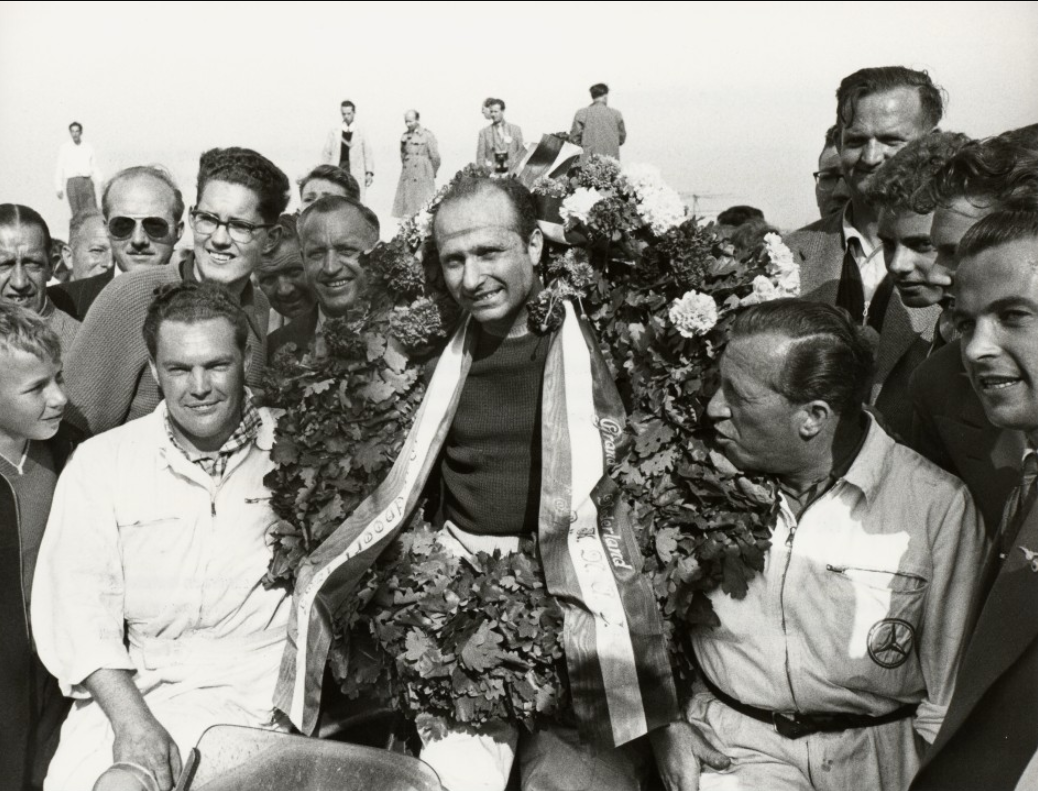
Juan Manuel Fangio
Juan Manuel Fangio dominated the 1950s with five world titles.

The 1950s and 1960s saw rapid growth, with legendary drivers like Juan Manuel Fangio dominating the era. Cars became faster and more advanced, but safety was limited in the early years. The 1970s and 1980s introduced turbocharged engines and aerodynamics, increasing the speed and technology. Safety regulations improved after tragic accidents involving drivers like Ayrton Senna.

Modern Era and Technology (1990s–Today)

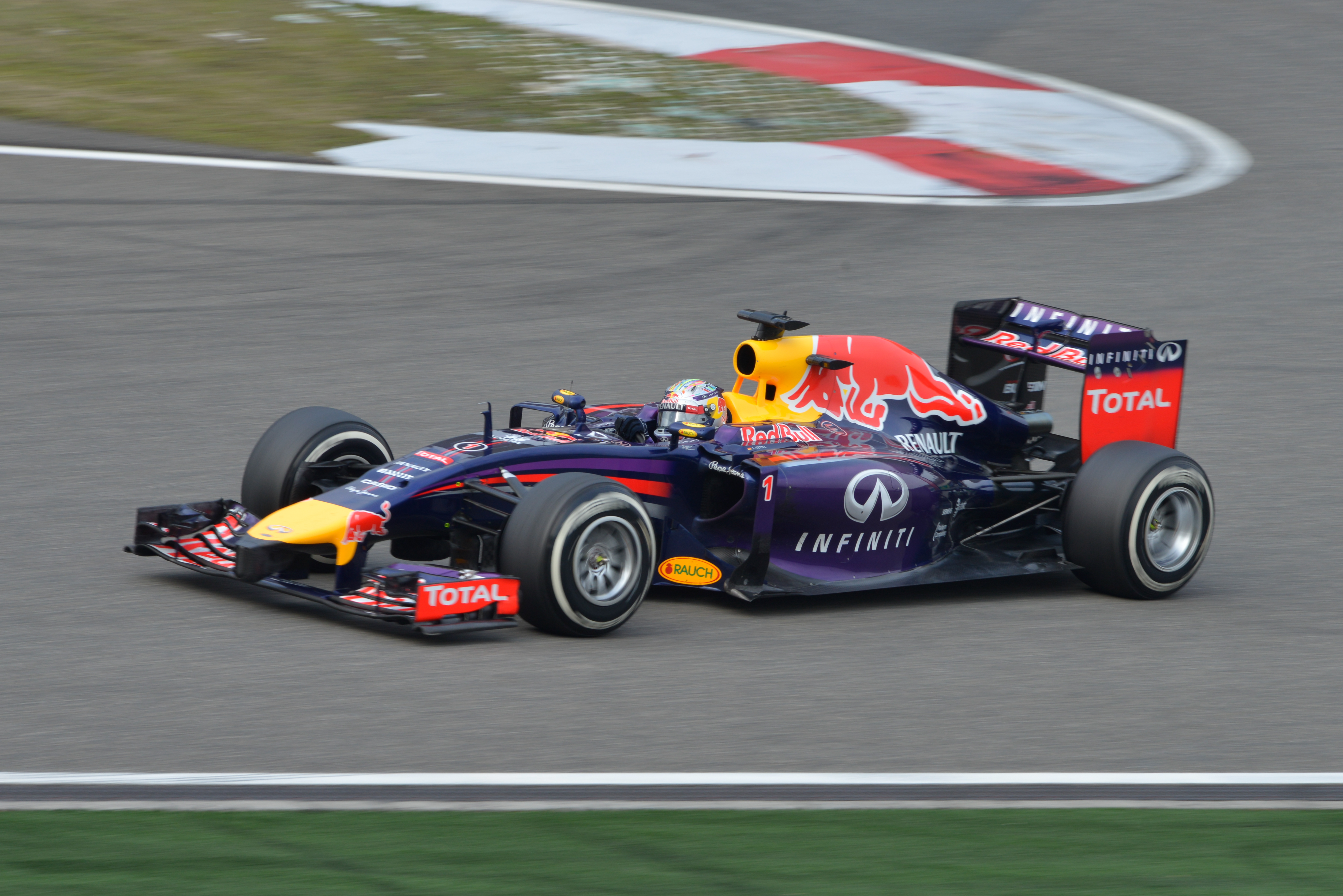
From the 1990s onwards, Formula 1 became a highly technological sport. Hybrid engines, advanced electronics, and detailed race strategies became standard. Teams like Mercedes and Red Bull dominated in recent years, while drivers like Lewis Hamilton and Max Verstappen set records. The introduction of hybrid power units in 2014 was a major milestone in making the sport more sustainable and competitive.

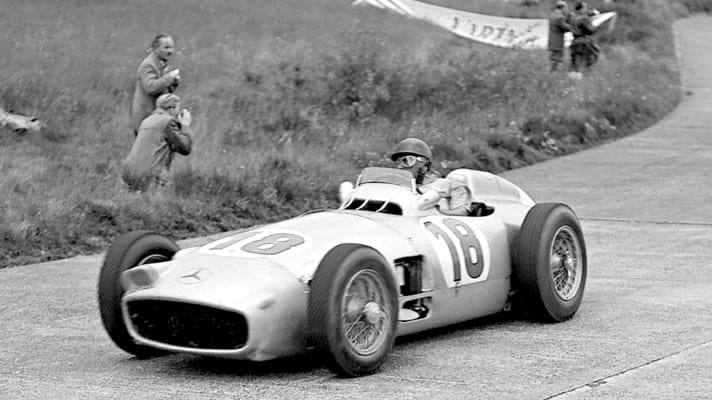
Mercedes hybrid car
Turbo‑hybrid power units helped launch Mercedes into a dominant era.

Key Moments Timeline

1920s–1930s
Motorsport’s Early Days
Racing on public roads in Europe grew popular, bringing together daring drivers and car manufacturers. Though World War II forced a pause, these events laid the foundation for professional Grand Prix racing.
1950s
Birth of Modern Formula 1
Formula 1 officially began with the inaugural World Championship race at Silverstone. This new era brought organized global competition and put drivers like Giuseppe Farina in the spotlight.
1950s–1960s
The Champions’ Era
The Champions’ Era
Legends such as Juan Manuel Fangio rose to dominance, as car engineering shifted from front to rear engines. Despite exciting races, safety remained a concern with many risks on track.
1970s–1980s
Power and Innovation
The introduction of turbo engines and ground‑effect aerodynamics transformed car performance. Iconic drivers like Ayrton Senna and Niki Lauda made this a defining period, alongside improved safety measures.
1990s
Tech Revolution
Tech Revolution
Electronic controls and telemetry started dominating race strategies. Michael Schumacher’s Ferrari reign marked intense competition as teams used cutting‑edge technology to push limits.
2014–2019
Hybrid Power Emerges
The sport shifted toward efficiency with hybrid power units combining petrol engines and electric systems, redefining car design and engineering challenges.
2020s
The Modern Age
The Modern Age
With stars Lewis Hamilton and Max Verstappen leading fierce rivalries, Formula 1 expanded globally, focusing on sustainability, closer racing, and fan engagement.