Driver Academies
Driver academies are structured programs run by Formula 1 teams and motorsport organizations to identify, train, and support young drivers as they move through junior categories toward Formula 1 or other top racing series. These programs combine financial backing, professional coaching, and mentorship to build technical skill, physical fitness, and mental resilience for competing at the highest levels of motorsport.
Major Formula 1 Team Academies
Red Bull Junior Team
Founded in 2001, the Red Bull Junior Team is known for developing young talent and promoting drivers into Red Bull Racing or its sister team, Racing Bulls. Notable graduates include Sebastian Vettel, Max Verstappen, Daniel Ricciardo, and Pierre Gasly.
The program supports drivers from karting through Formula 3 with technical coaching, simulator training, and performance analysis, creating a direct path toward F1 seats.
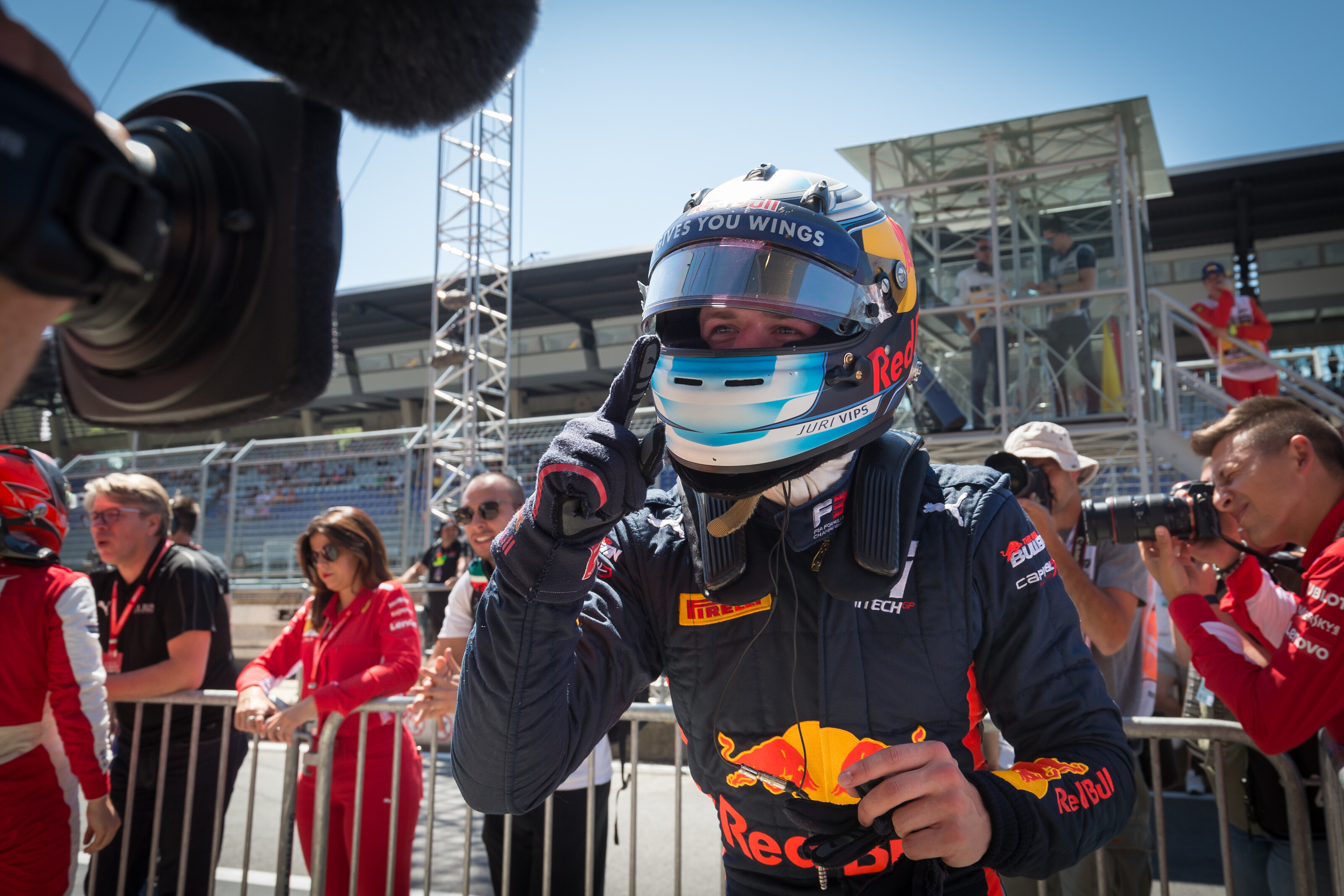 Juri Vips celebrating victory at the Red Bull Ring
 Mick Schumacher with his first win in F2
Ferrari Driver Academy
Established in 2009, the Ferrari Driver Academy nurtures talent for Scuderia Ferrari by offering financial support, world‑class training, and structured progression through junior formulas. Graduates include Charles Leclerc, Mick Schumacher, and Arthur Leclerc.
The academy focuses on complete development, combining on‑track performance with fitness, media skills, and representing Ferrari’s values on and off the circuit.
Mercedes Junior Team
The Mercedes Junior Team, launched in 2014, has guided drivers such as George Russell and Esteban Ocon toward F1. The program blends coaching, physical preparation, and extensive simulator work with steady steps through karting, Formula 3, and Formula 2.
McLaren Driver Development Programme
McLaren’s program, dating back to 1998, has supported prospects like Lando Norris and Oscar Piastri. Drivers receive year‑by‑year mentoring through categories such as Formula 4, Formula 3, and Formula 2, helping them navigate contracts, teams, and championship goals.
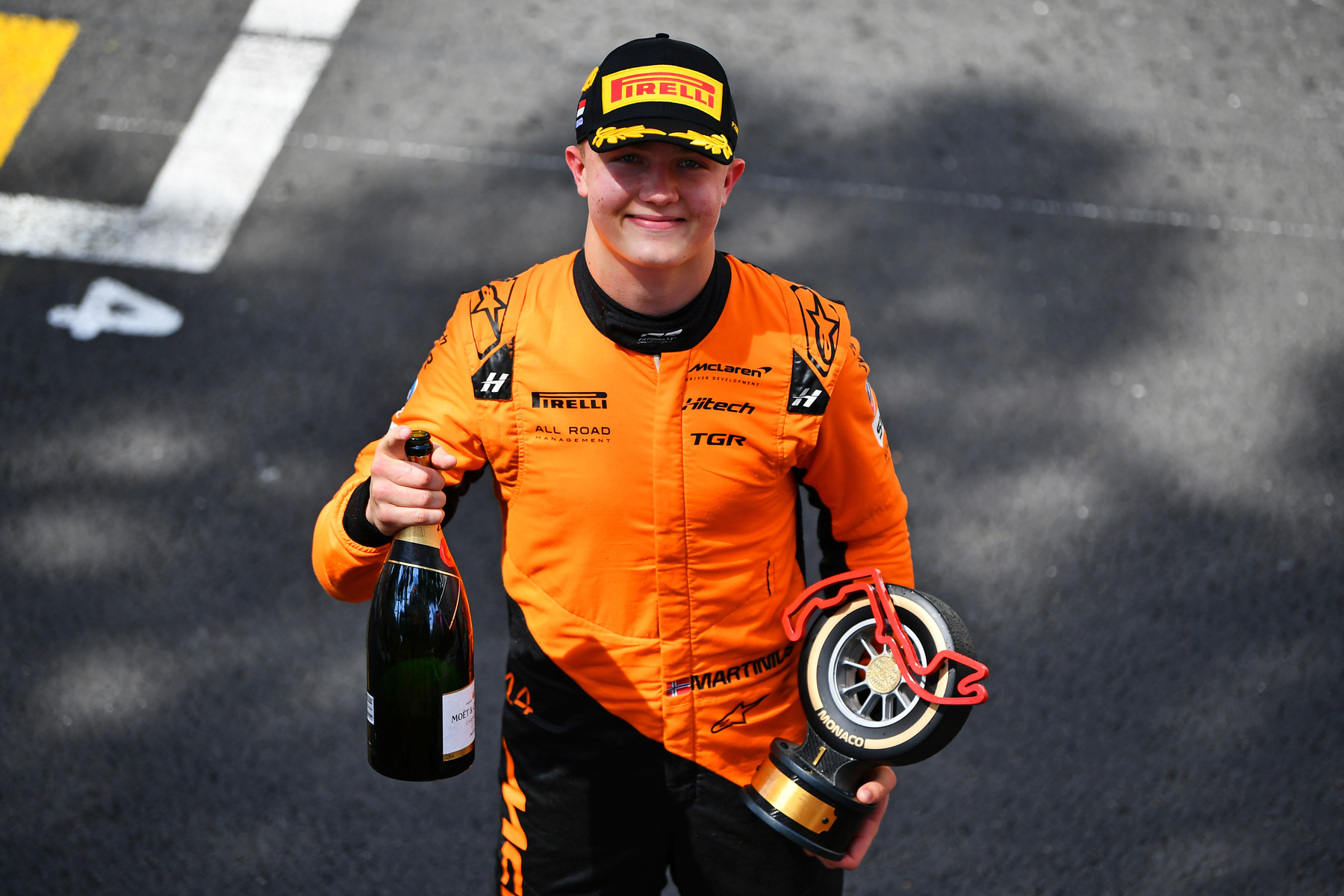 McLaren junior Martinius Stenshorne takes victory on the streets of Monaco.
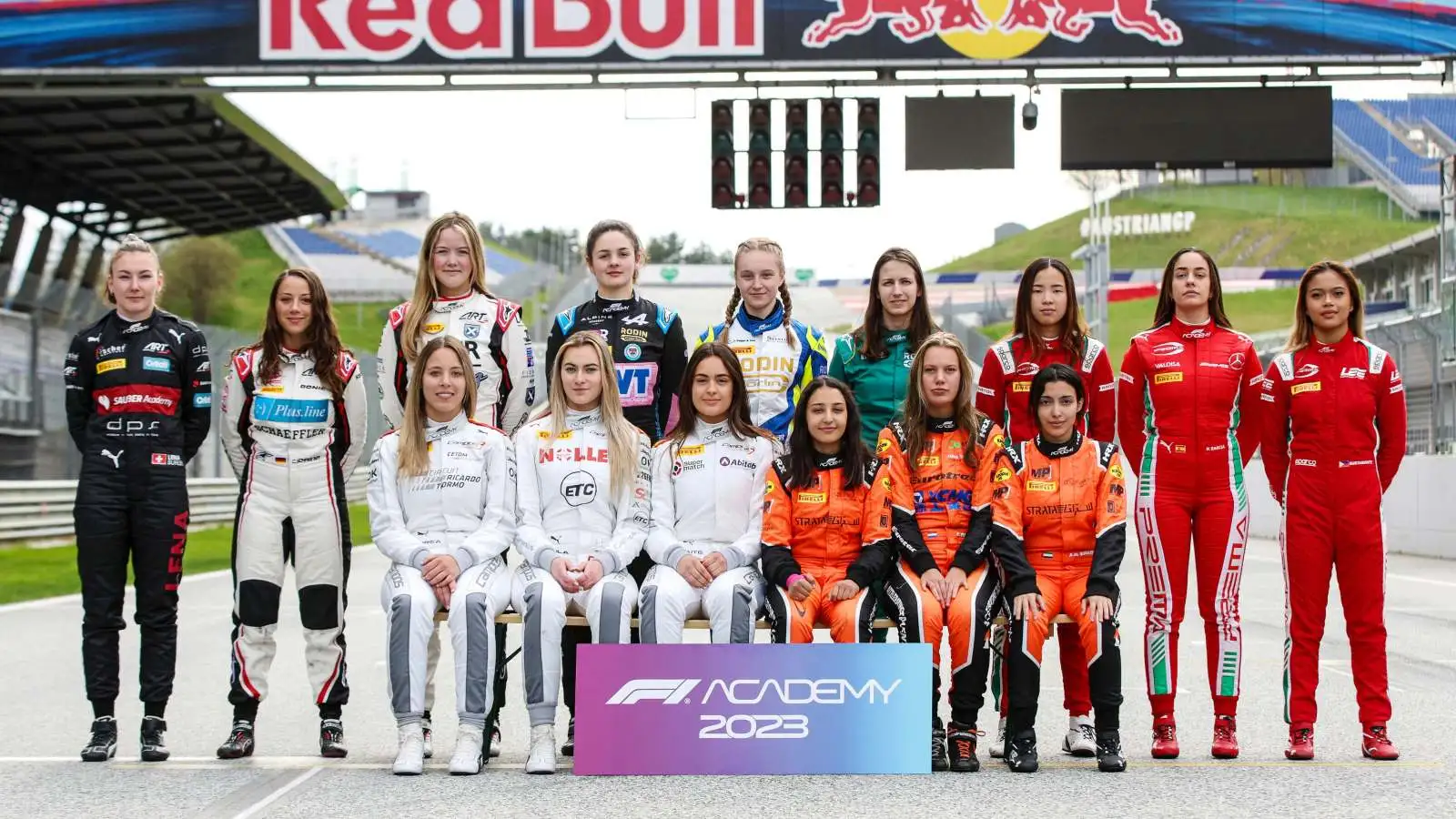 The 2023 F1 Academy line up. Austria, April 2023.
Alpine Academy
Evolving from Renault’s 2002 program, the Alpine Academy supports young drivers from karting through Formula 4, Formula 3, and Formula 2. It focuses on long‑term career management and a clear route into the Alpine F1 team or other top‑level seats.
Women’s F1 Academy
Launched in 2022, the women’s F1 Academy aims to increase female participation by developing talented female karting and junior category racers. It offers targeted training, mentorship, and race opportunities that can lead toward Formula 1 and other professional series.
Other Driver Development Programs
The FIA Young Driver Excellence Academy is a global initiative that brings together promising young racers for physical, psychological, and technical training. It promotes high standards of performance and safety across many disciplines.
National and regional karting academies act as essential entry points into motorsport. They foster grassroots talent and prepare drivers for progression into junior formulas and, later, recruitment by top‑level academies.
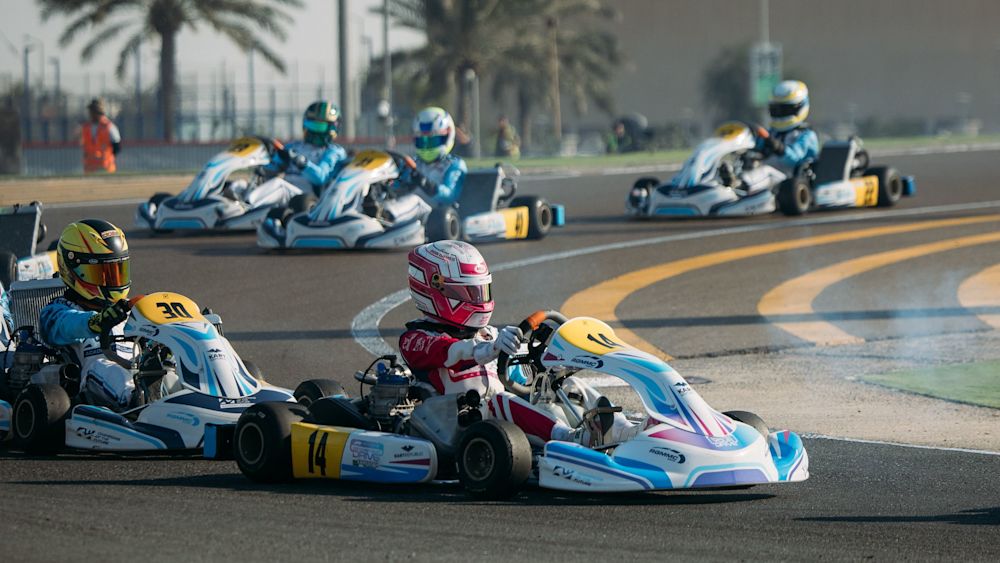 Champions of the future academy program
Junior Racing Categories as Pathways
 Pathway from karting to F4, F3, and F2"
The typical pathway to Formula 1 starts in karting, where almost all professional drivers learn core racecraft, race starts, and close‑quarters battling.
Drivers then move into Formula 4 to experience their first single‑seater cars, followed by Formula 3, which provides a highly competitive proving ground and deeper technical learning. Formula 2 sits just below F1, using powerful cars and long seasons that prepare drivers for the intensity of the top category.
Outstanding results in Formula 4, Formula 3, and especially Formula 2 often trigger academy contracts, testing roles, or even direct Formula 1 opportunities.
Process of Development and Promotion
Drivers are usually scouted from karting and early single‑seater championships, then offered academy support in the form of funding, coaching, and mentoring. Once inside a program, they follow tailored plans through categories that match their experience and results.
Progression is based on constant evaluation: race results, simulator performance, feedback to engineers, fitness metrics, and media readiness. The top performers earn F1 testing, reserve roles, or full‑time race seats with junior or partner teams.
 Engineer reviewing data with young driver
Challenges and the Future
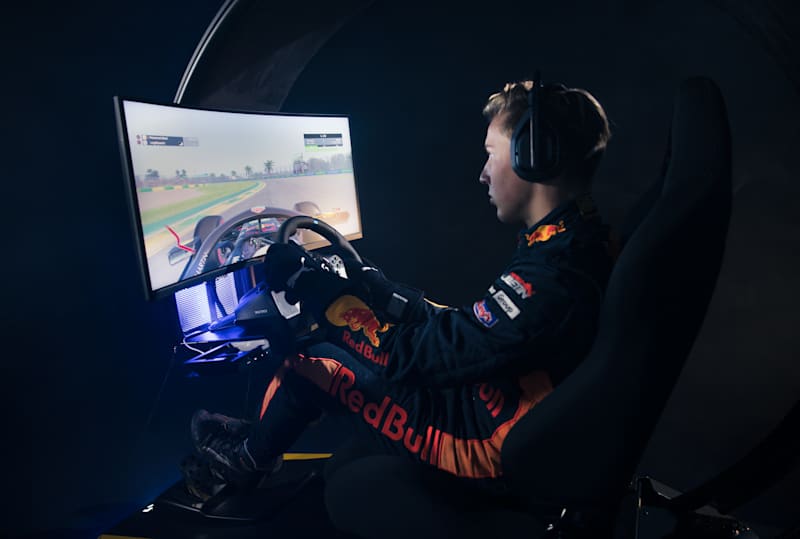 Liam Lawson using his simulator to train
Academy drivers face intense mental and physical pressure from a young age, and high costs in junior categories still limit access for many talented racers. There is ongoing debate about how inclusive and diverse academy recruitment truly is.
Looking ahead, driver academies are using more virtual reality tools, advanced data analytics, and specialist mental coaching. Programs focused on gender diversity and new regions aim to open motorsport to wider talent pools all over the world.